Contracting in the Age of AI: Salesforce Insider Sabine Beausseron Breaks It Down

Updated: Dec 2, 2025

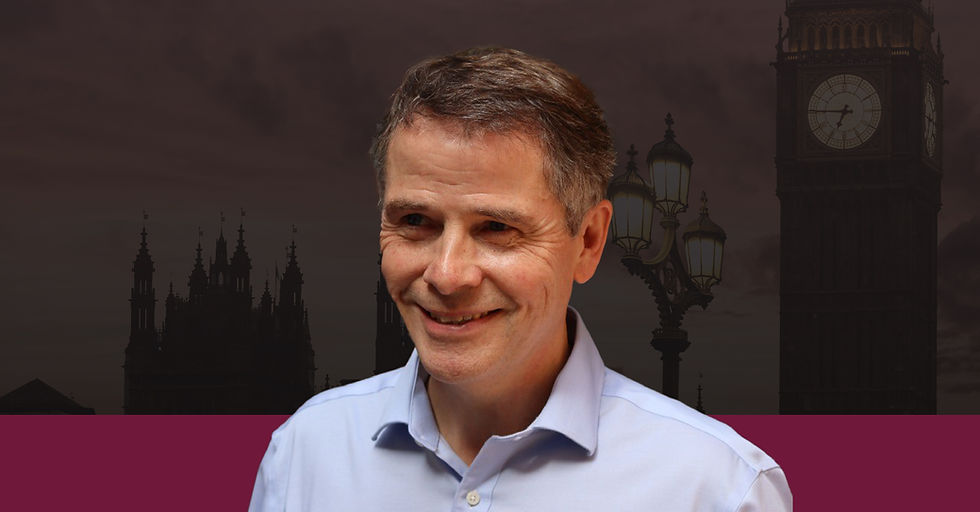
Ahead of Future Contracts London on 10 December, we had the opportunity to interview one of our speakers, Sabine Beausseron, Senior Director of Commercial Legal UK&I at Salesforce. With experience spanning both private practice and in-house roles, Sabine brings a dynamic and deeply informed perspective on modern contracting.
AI is becoming a standard part of every lawyer’s toolkit, taking over low-risk contract tasks so legal teams can focus on strategy, negotiation, and higher-value work. Let’s break it down with Sabine Beausseron in this exclusive interview.
Sabine will also join our panel discussion, “Scaling Smart: Building a Future-Ready Contracting Function,” alongside other leading contract experts on 10 December. Don’t miss the chance to learn from her firsthand experience and connect with fellow contract innovators at Future Contracts London.
Enjoy the interview, and we look forward to welcoming you at Future Contracts London!
Do you believe AI will become a standard part of every lawyer’s toolkit? Where do you see AI making the biggest difference in contracts?
Yes, I believe so. All the software that lawyers use today will eventually include AI, whether it is email, Word, legal databases, or CLMs. It is key that lawyers know how to benefit from these AI features. This will allow them to provide robust legal answers faster, as both research and drafting will take less time.
Regarding contracts specifically, I think AI will be able to redline small, low-risk agreements. Ultimately, humans might no longer need to review simple documents like NDAs at all, as AI could maybe handle the process entirely. For larger contracts, it could handle the first or second review based on our playbook. This means lawyers can focus on the more difficult work: drafting nuance, risk analysis, negotiations, and strategy.
What strategies have helped you overcome resistance to adopting new technologies or processes in your department?
There was indeed quite some resistance at first, and there is still some today. To overcome worry about AI's reliability, we initially focused its use on low-risk tasks where it was easy and quick to double-check the source. We also implemented a regular "AI tip" in our team meetings and held "AI office hours" across EMEA. Some lawyers showcased really great ideas on how to use our AI tools, and this enthusiasm became contagious.

What skills and roles are most critical in a future-ready contracting team?
I think new roles might surface for more junior lawyers, such as reviewing AI output, or even helping to configure or prompt AI tools. Above all, the most critical skill, I think, will be adaptability. Rather than viewing AI as a threat, we need to view it as a powerful tool that needs supervision. We will need to apply our critical thinking and human judgment to manage how we use these tools effectively and safely. Also, because AI will do lots of the technical work, "soft skills" will also become more important. We will need to focus even more on communication, negotiation strategies, understanding the business needs behind the contracts.
In your opinion, what are the biggest risks of integrating AI into legal work? What is your advice on how to prevent or mitigate them?
The first major risk is strategic imbalance causing team frustration. If we don't prioritize using AI for administrative, recurring, and low-risk work, lawyers won't become the "augmented lawyers" they are supposed to be. They will remain bogged down in low-value tasks, leading to frustration. To mitigate this, we must ensure AI is applied to the right tasks first, and regularly check in with the teams on their sentiment.
The second major risk is over-reliance on inaccurate output. We must ensure AI results are properly curated. Mitigation relies on using the right tools, knowing how to prompt effectively (perhaps using a prompt library), and insisting that the lawyer always check sources.
What do you hope legal leaders will take away from events like this one, and how do events like this shape your own thinking about the profession’s future?
Events like this are a great way to connect and exchange ideas on this topic. It is very informative to understand how other teams use AI, what tools they rely on, and where they are in their journey. It highlights that we are all still at the beginning of this curve, and the collaborative spirit helps each other. Also, it gives me perspective on my own team's journey. It acts as a health check that validates we are moving in the right direction (or not!).




Comments